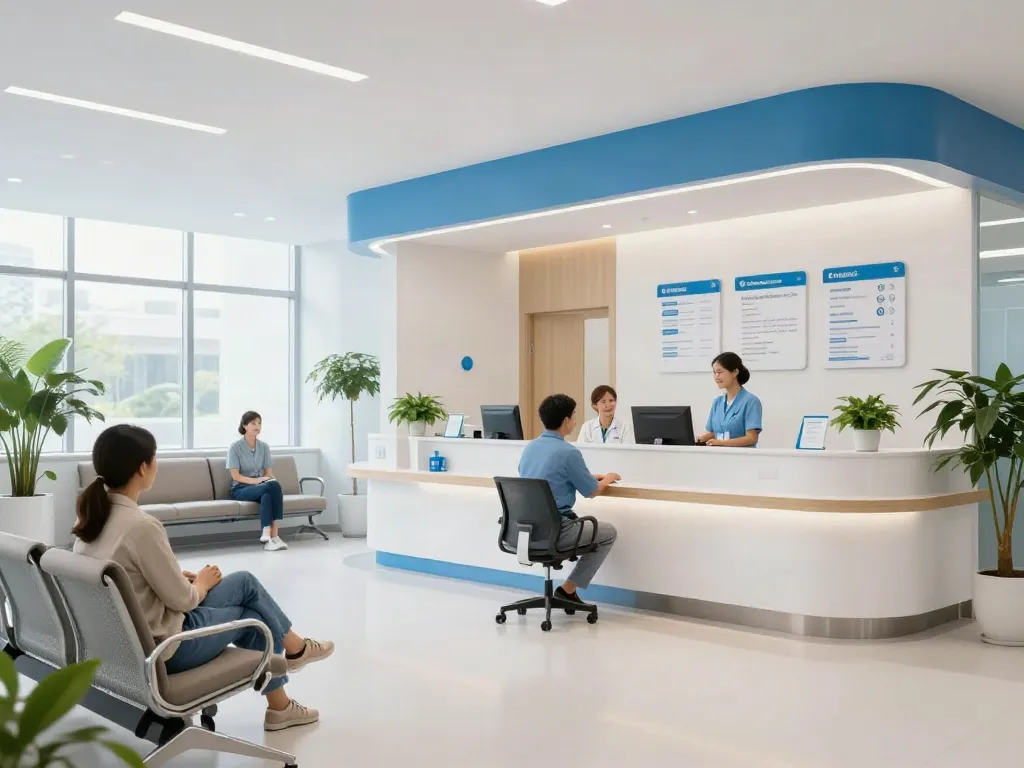
Understanding Patient Care Practices for Optimal Health
In today’s fast-paced healthcare environment, understanding patient care practices is critical for ensuring optimal health outcomes. Patients are more informed than ever and expect a healthcare experience that is not only efficient but also respectful and empathetic. Whether visiting a pharmacy or a primary care physician, patients seek a collaborative approach that enhances treatment effectiveness and overall health satisfaction. This article delves into essential aspects of patient care, helping patients navigate their health journeys more effectively. For those exploring options in health services, situs togel provides comprehensive insights into various offerings and care practices available.
Importance of Regular Health Assessments
Regular health assessments are fundamental to maintaining optimal health. These evaluations help in identifying health issues early, preventing potential complications, and facilitating timely interventions. Assessments should include comprehensive check-ups, screenings, and personalized health recommendations. They vary with age and health status, underscoring the need for a tailored approach to healthcare. Engaging in regular assessments ensures that health concerns are addressed before they escalate into more serious conditions.
Common Mistakes in Patient Treatment Plans
When managing patient treatment plans, healthcare providers and patients must collaborate closely to avoid common pitfalls. Mistakes often occur due to miscommunication, inadequate follow-up, and lack of adherence to prescribed regimens. Patients should communicate openly with their providers about any medications they are taking and any side effects they experience. Additionally, understanding treatment protocols, from medication schedules to lifestyle adjustments, can greatly improve outcomes. Encouraging patient empowerment through education and involvement in decision-making can lead to more effective treatment plans.
Building a Compassionate Patient-Provider Relationship
A compassionate relationship between patients and healthcare providers is essential for effective treatment. This connection fosters trust, encourages open communication, and can significantly affect compliance with prescribed therapies. Providers should prioritize active listening, showing empathy and understanding toward patient concerns. Establishing rapport not only enhances patient satisfaction but also contributes to better health outcomes overall. Practices such as shared decision-making can strengthen this relationship, ensuring that the patient’s values and preferences are incorporated into their care.
Preventive Health Measures for All Ages
Preventive health measures are crucial for all age groups, providing a foundation for a healthier lifespan. These measures focus on strategies to prevent diseases rather than treating them once they appear. Immunizations, routine screenings, and lifestyle modifications play significant roles in maintaining health across various life stages. Understanding the specific needs of different populations—from children to seniors—can enhance the effectiveness of preventive care. Moreover, adhering to evidence-based guidelines ensures that patients receive the most relevant care tailored to their needs.
Innovative Health Screenings for Early Detection
Innovative health screening techniques are at the forefront of preventive care, allowing for the early detection of conditions that may otherwise go unnoticed. These screenings can include advanced imaging technologies, genetic testing, and personalized health assessments. Early identification of diseases such as cancer, diabetes, and heart conditions can lead to more effective management and better prognosis. Patients are encouraged to discuss with their providers which screenings are appropriate based on their health profile and family history.
Tailoring Preventive Care in Pediatric and Geriatric Populations
Preventive care strategies should be adapted for pediatric and geriatric populations due to their unique needs. In children, this may involve routine vaccinations, developmental screenings, and health education focused on nutrition and physical activity. For elderly patients, preventive measures often center on managing chronic conditions, fall prevention, and maintaining mental health. Tailoring these strategies ensures that patients of all ages receive comprehensive and appropriate preventive care that enhances their quality of life.
Understanding Vaccination Importance Across Lifespans
Vaccination is a critical component of preventive healthcare, protecting individuals and communities from various infectious diseases. Immunization schedules vary by age and emphasize that vaccinations are necessary at different life stages. For infants and children, vaccines safeguard against diseases such as measles and whooping cough. In adults, vaccines may include boosters and new vaccines for emerging pathogens. Keeping up-to-date with vaccinations is vital for public health, as it helps prevent outbreaks and defenses against pathogens.
Telemedicine Innovations Revolutionizing Healthcare
Telemedicine has transformed the landscape of healthcare, making it more accessible and convenient for patients. With advances in technology, remote consultations and digital health services are now prevalent, enabling patients to receive care from home. This innovation is particularly beneficial for individuals with mobility issues, those living in remote areas, or individuals seeking psychiatric care. Telehealth services facilitate timely consultations and follow-ups without the need for in-person visits, ultimately improving patient satisfaction and outcomes.
Benefits of Remote Patient Consultations
Remote patient consultations offer a host of benefits, including convenience, flexibility, and reduced travel time. Patients can schedule appointments at their convenience and connect with their healthcare providers directly through various digital platforms. This accessibility encourages more patients to seek care, thereby potentially increasing adherence to treatment plans and preventive measures. Providers benefit from being able to reach a larger patient base, resulting in improved healthcare delivery.
Navigating Virtual Health Services Effectively
Navigating virtual health services can be daunting for some patients, but understanding the process can significantly enhance their experience. Patients should familiarize themselves with the technology being used and ensure that they have a stable internet connection. It's important for patients to prepare for their virtual consultations just as they would for in-person visits—having a list of questions, medication records, and relevant medical history at hand. Providers should also guide patients in using these platforms effectively to ensure a seamless consultation experience.
Telemedicine for Mental Health: A New Approach
The rise of telemedicine has provided innovative solutions for mental health care, offering patients privacy and convenience. Virtual therapy sessions can reduce the stigma associated with seeking mental health treatment and facilitate access for those who may find it challenging to attend in-person visits due to anxiety or geographical barriers. Evidence suggests that teletherapy can be as effective as traditional face-to-face therapy, making it a viable option for many seeking mental health support.
Managing Chronic Diseases with Comprehensive Care
Chronic disease management requires a comprehensive, multifaceted approach to improve patient outcomes. Conditions such as diabetes, hypertension, and heart disease necessitate ongoing management, lifestyle modifications, and regular check-ins. Effective management strategies often involve a combination of medication, dietary adjustments, exercise, and regular monitoring of health markers. Engaging patients in their own care plans encourages accountability and empowerment, leading to more successful health outcomes.
Personalized Treatments for Chronic Conditions
Personalized treatment plans for chronic conditions are essential for addressing the unique needs of each patient. Customizing care involves understanding a patient's medical history, lifestyle factors, and treatment preferences. Collaborating with healthcare providers to create a tailored approach can enhance adherence and satisfaction, leading to better management of chronic diseases. Regular adjustment of treatment based on feedback and evolving health status is equally important for optimizing care.
Role of Nutrition and Lifestyle in Disease Management
Nutritional habits and lifestyle choices play a pivotal role in managing chronic diseases. Adopting a balanced diet rich in fruits, vegetables, whole grains, and healthy fats can significantly impact disease progression and overall health. Likewise, integrating regular physical activity helps in maintaining a healthy weight, reducing stress, and enhancing mental wellbeing. Healthcare providers should encourage patients to make informed dietary choices and incorporate physical activity into their daily routines for comprehensive disease management.
Patient Rights in Chronic Care Management
Understanding patient rights is essential for effective chronic care management. Patients have the right to receive comprehensive information about their conditions, treatment options, and potential risks associated with those choices. Being informed empowers patients to make educated decisions regarding their health. Additionally, patients should feel encouraged to voice concerns and seek second opinions when necessary. Awareness of their rights fosters a collaborative relationship with healthcare providers, ensuring that care is both responsive and respectful.
The Future of Healthcare: Trends and Predictions for 2026
The future of healthcare is expected to be influenced by digital innovations, patient-centered approaches, and shifts in policy that aim to enhance healthcare accessibility. As these trends emerge, it is crucial for both patients and providers to remain informed and adaptable. Embracing technological advancements will play a key role in streamlining healthcare delivery and improving patient experiences.
Impact of Digital Innovations on Patient Experience
Digital innovations are reshaping patient experiences by facilitating more efficient interactions with healthcare providers. Mobile applications, online health records, and telehealth services contribute to a more holistic healthcare experience. These technologies improve communication, allow for better tracking of health metrics, and accommodate patient preferences, leading to a more engaged and informed patient population. Anticipating advances in technology enables both patients and providers to adapt to new tools for enhancing patient care.
Healthcare Accessibility: Breaking Down Barriers
As healthcare continues toward more inclusive practices, efforts to break down barriers related to access are paramount. Telehealth, mobile clinics, and community health initiatives are all strategies being implemented to reach underserved populations. In addition, ensuring health literacy and cultural competence in healthcare delivery will foster stronger community connections. Ongoing advocacy and policy reform will be necessary to address systemic challenges in healthcare, improving access for all individuals.
Anticipated Changes in Health Insurance Policies
Anticipated changes in health insurance policies may lead to increased coverage of telehealth services and preventive care initiatives. As the emphasis on keeping healthcare costs manageable continues, stakeholders will be called to address the evolving needs of patients. Developing policies that reflect the necessity for equitable access to healthcare resources and personalized care plans will be critical in shaping a responsive healthcare system. Patients must stay informed about their rights and the services available through their insurance plans.
FAQs
What are the key benefits of preventive healthcare?
Preventive healthcare offers numerous benefits, including reducing the risk of chronic diseases, promoting early detection, and minimizing the necessity for complex treatments. By identifying health issues early, patients can avoid severe complications, thereby improving their quality of life and potentially lowering healthcare costs in the long run.
How can telemedicine improve patient consultations?
Telemedicine enhances patient consultations by offering accessibility, convenience, and timely follow-ups. Patients can consult healthcare providers without the barriers of travel or time constraints, leading to improved adherence and better health outcomes.
What rights do patients have regarding their healthcare provider?
Patients have the right to receive comprehensive information about their treatment options, participate in decision-making, and voice concerns about their care. Understanding these rights empowers patients to advocate effectively for their health and wellbeing.